
Ticks often bring to mind hiking trails and bug spray, but in Georgia, they’re part of everyday life. Our warm, humid climate makes it easy for ticks to thrive in backyards, parks, and neighborhoods. Staying aware of local tick risks is a simple but important way to help keep your pet healthy all year long.
Several tick species are common in Georgia and can transmit disease to pets, including:
Tick-borne illnesses carried by these local ticks can affect pets in different ways. Cats tend to show fewer symptoms overall than dogs, but tick-borne disease can still occur and should always be taken seriously.
Ehrlichiosis
Anaplasmosis
Rocky Mountain Spotted Fever (RMSF)
Tularemia
In and around Atlanta, ticks are quite common due to our warm, humid climate and green areas. You’re most likely to encounter them in places that provide shade, moisture, and access to wildlife, including:
Pets, especially dogs, naturally engage in behaviors ticks rely on for transportation, such as running through grass, exploring shrubs, and lying in shaded areas. Ticks don’t jump or fly; they simply latch on when a pet brushes past them.
Since pets don’t perform daily head-to-toe tick checks on themselves, ticks can remain attached long enough to pass along disease. While pets don’t directly spread tick-borne illnesses to people, they can bring ticks indoors, increasing exposure for the whole household.
Our veterinarians screen for tick-borne illnesses using blood tests, sometimes during routine wellness visits. A positive test indicates exposure, not always active disease, which is why we also consider:
Some pets may test positive without symptoms, while others develop illness weeks or months after a tick bite. Subtle changes in behavior, energy level, or mobility are often the first clues.
When symptoms are present, many tick-borne diseases are treated with antibiotics. Most pets respond well, especially when treatment begins early.
More serious complications are uncommon but possible, which is why early detection and consistent prevention play such an important role in keeping pets healthy.
Preventing tick-borne disease is much easier than treating it. With Georgia’s climate, ticks to stay active most of the year. Year-round prevention is strongly recommended.
Pets don’t worry about ticks, test results, or antibiotics, they rely on their pet owner to handle the planning so they can get back to the important stuff, like naps and snacks. A little awareness, a little prevention, and regular veterinary care go a long way.
Talk with our veterinarians about the best tick prevention plan for your pet and make parasite protection part of your regular care routine. Schedule a vet appointment today >
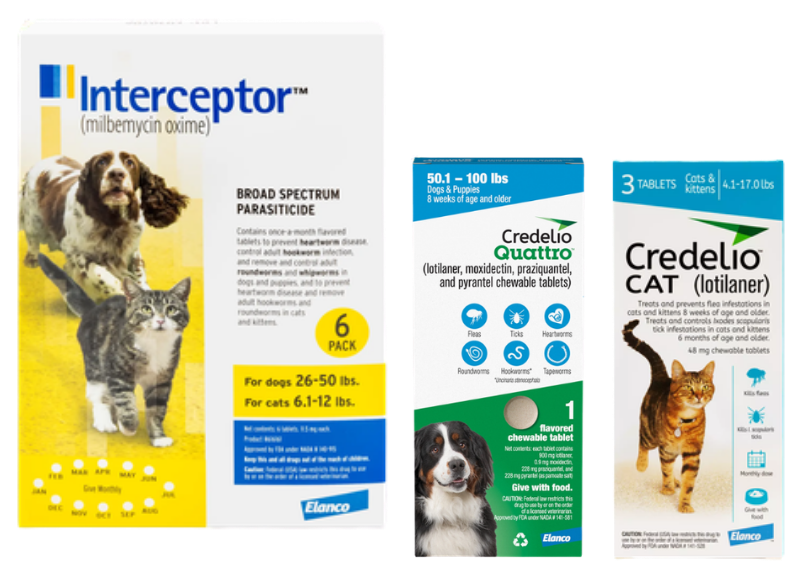
Skip the extra trip and keep your pet protected with ease. Our online store offers veterinarian recommended parasite preventatives you can order anytime, making year-round protection simple, safe, and convenient. Shop Flea & Tick Prevention now >
What tick-borne diseases are common in pets in Georgia?
Common tick-borne diseases in Atlanta include ehrlichiosis, anaplasmosis, Rocky Mountain spotted fever, and tularemia.
Are tick-borne diseases a year-round risk in Georgia?
Yes. Georgia’s warm, humid climate allows ticks to stay active much of the year, making year-round prevention important.
Can indoor pets get tick-borne diseases?
Yes. Ticks can be brought indoors on people, other pets, or wildlife, putting indoor pets at risk.
What symptoms suggest a tick-borne disease in pets?
Symptoms may include lethargy, fever, decreased appetite, joint pain, stiffness, or behavioral changes.
Are cats affected by tick-borne diseases?
Cats show fewer symptoms than dogs but can still develop tick-borne illnesses, especially outdoor or hunting cats.
Where are ticks commonly found in Conyers and nearby?
Ticks are often found in backyards, parks, trail edges, wooded areas, and places with active wildlife.
How are tick-borne diseases diagnosed in pets?
Veterinarians use blood tests and evaluate symptoms, medical history, and exposure risk.
What is the best way to prevent tick-borne disease in pets?
Prevention includes veterinarian-recommended tick preventatives, regular tick checks, yard maintenance, and routine vet care.